
Blogs & Articles
Is Your Buying Model Living in the Past?
Is Your Buying Model Living in the Past?
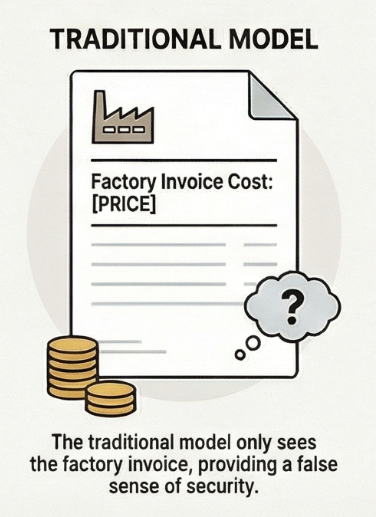
Traditional buying-in margin was designed for a world that no longer exists. Continuing to use it isn't playing it safe. It's taking on risk you just can't see yet.
Cast your mind back to how buying worked a generation ago. You found a factory, negotiated a price, applied your margin, set a retail price, and moved on. The only costs that counted were the ones on the invoice. The only risk was commercial risk. And the only people you needed to satisfy were the finance director and the buying committee.
That world still exists - in the model. The trouble is, the world outside the model has changed completely.
The Pre-Loved Goldmine Hiding in Your Products
The Pre-Loved Goldmine Hiding in Your Products
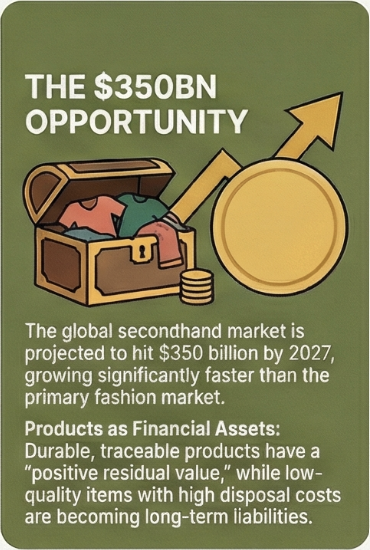
The global secondhand market is heading for $350 billion. Most brands have no financial model for the value sitting in their own products after first sale. That's a commercial oversight as much as a sustainability one.
Here's a thought experiment. You design a product. You source it carefully, cost it, and sell it. In the traditional model, that's where the financial story ends - the product leaves the floor and disappears from your spreadsheets.
Water, Chemicals and the Costs You Can't See on the Invoice
Water, Chemicals and the Costs You Can't See on the Invoice
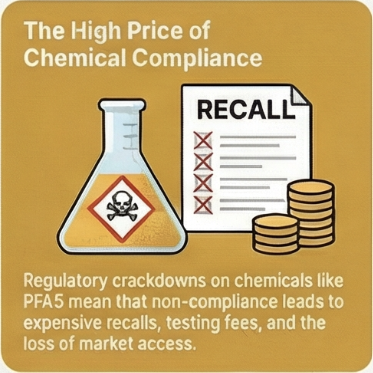
You wouldn't buy a product without knowing what it's made from. So why do so many brands cost a product without knowing what went into making it?
You've just landed in sunny Spain. It's hot. You're thirsty. So you grab a bottle of water. Then another. Then another. Before you know it, you've gone through a dozen bottles in a few days - and you're just one person.
Now imagine that thirst scaled up to producing a pair of jeans. A single pair can require upwards of 3,800 litres of water to make - from growing the cotton to the dyeing, stonewashing and finishing processes. A cotton T-shirt? Around 2,700 litres. In major sourcing regions across South Asia and Central Asia, that water isn't coming from an unlimited supply. It's coming from increasingly stressed river systems and aquifers — and the cost of accessing it is rising.
Your Carbon Isn't Just a Report. It's a Bill.
Your Carbon Isn't Just a Report. It's a Bill.
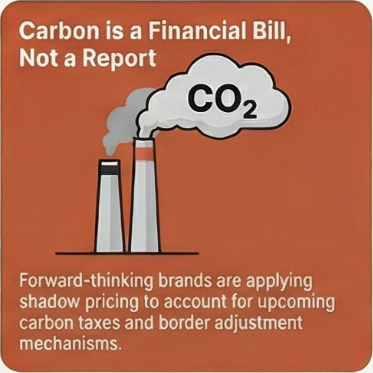
Fashion brands are getting good at measuring their carbon. Far fewer are pricing it. That gap is about to become very expensive.
Here's a question worth sitting with. Your brand probably measures its Scope 3 emissions. Maybe you have a net zero target. You've possibly commissioned a lifecycle assessment or two. But when a buyer sits down to cost a product - does any of that carbon data appear on the spreadsheet?
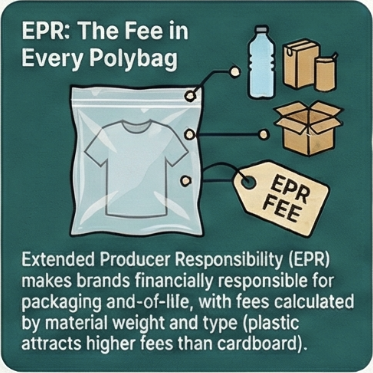
The Hidden Cost in Every Polybag
The Hidden Cost in Every Polybag
There's a fee attached to almost every piece of packaging your brand puts into the world. If it's not on your cost sheet, your margins are already wrong.
Think about the journey of a single product leaving a supplier. It's wrapped in a polybag. Placed in a box. Maybe cushioned with tissue paper. Possibly sealed with a branded sticker. Each one of those materials carries a cost that most buying teams have never seen on a cost sheet - but are already legally required to pay for.
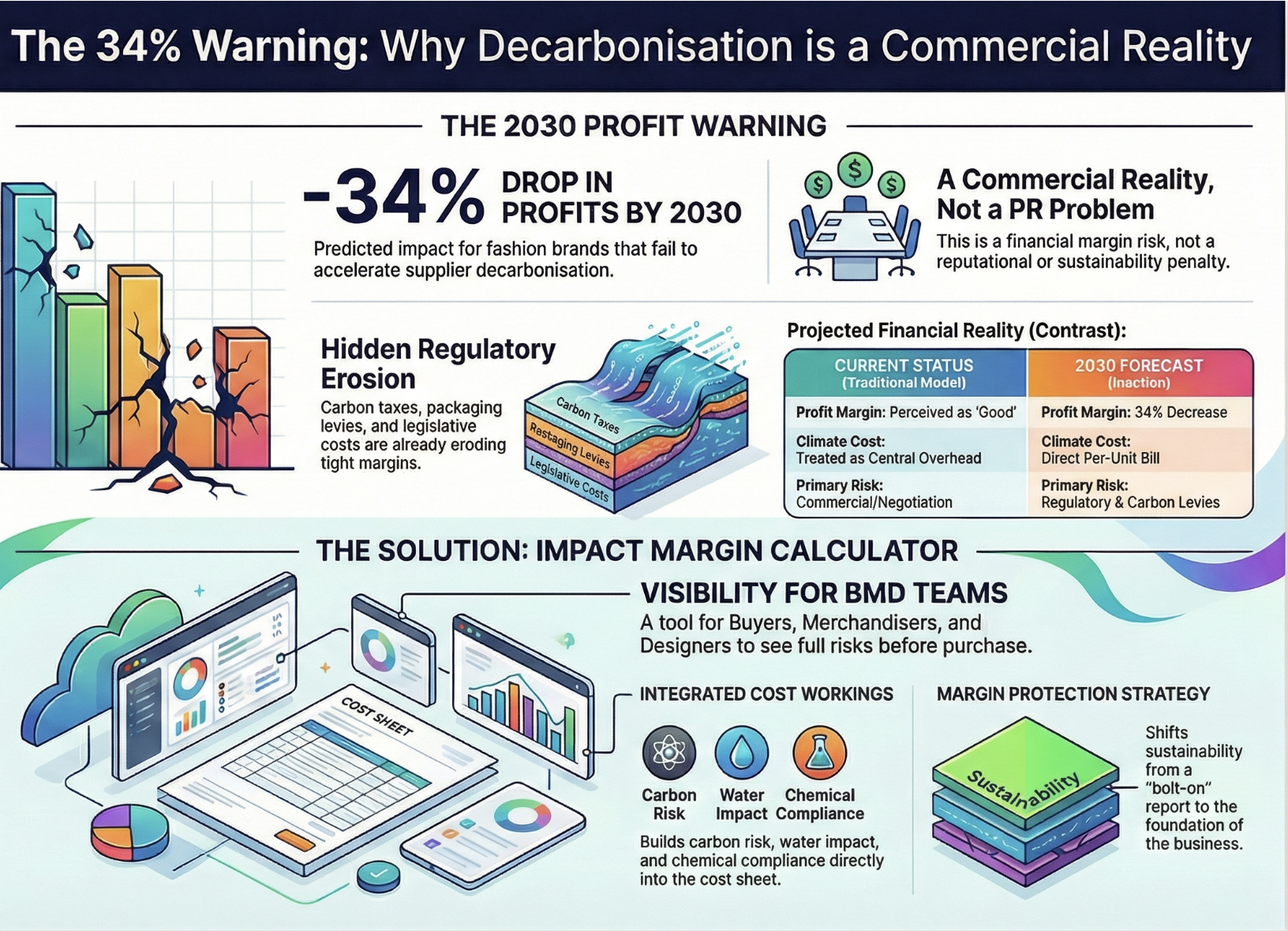
The 34% Warning: The Number That Should Be Keeping Every CFO Up at Night
The 34% Warning: The Number That Should Be Keeping Every CFO Up at Night
A new report has put a very specific number on what doing nothing will cost fashion brands. Spoiler: it's not a small one.
Picture this. Your buying team has just signed off a range. The margins look good. The cost prices are tight. Everyone's happy.
Now fast forward to 2030. Those same margins have been quietly eroded — not by a bad season, or a cost price negotiation gone wrong, but by a tide of carbon taxes, packaging levies, and regulatory costs that nobody built into the model. Because nobody ever did.
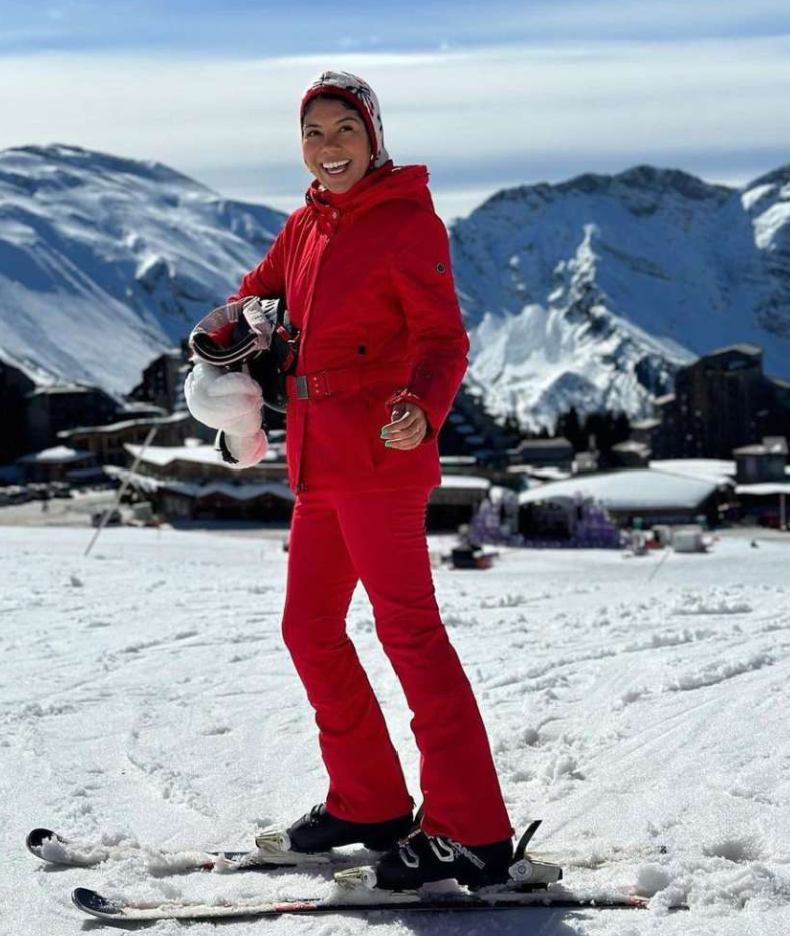
Smart Ways to Gear Up for Ski Season: Budget-Friendly and Sustainable Options
Smart Ways to Gear Up for Ski Season: Budget-Friendly and Sustainable Options
Kitting yourself out for ski season can be eye-wateringly expensive, with quality jackets alone costing hundreds. But there’s a smarter, more sustainable way to hit the slopes without breaking the bank.