
Blogs & Articles

China's Planning 2030. UK Retail's Planning Black Friday
China's Planning 2030. UK Retail's Planning Black Friday
While China Plans Five Years Ahead, The UK is Still Waiting for a Date
Is anyone else getting increasingly frustrated by waiting for the UK to actually publish its Circular Economy Growth Plan. Two years of "early 2026," "spring 2026," "soon" later, I've given up waiting. So instead, i thought i would share what's actually happening on the other side of the world, and what it says about where we've landed.
China is on its latest national circular economy plan. The UK doesn't have its first one yet.

The Fallout of Festival Season
What August's Festivals Tell Us About the State of Circular Fashion
The Fallout of Festival Season
August is festival month in the UK, fields across the country fill with tents, wellies and questionable outfit choices. Bring on September, those same fields are left picking up the pieces. This year was no exception. Reading Festival alone drew a sold-out crowd of over 90,000 for headliners including Charli XCX, Fontaines D.C. and Florence + The Machine, and the music delivered. The clean-up afterwards, had rather a few less hands to tidy up.

Win Win for the Fashion Industry
Flooding Is Coming.
Here Are Two Things The Fashion Industry Could Actually Do About It
We've had the driest July in 190 years, four heatwaves, and a drought covering most of England and Wales. Now the Met Office is warning of one of the strongest El Niño events in over a century, with an autumn that's set to be wet, stormy, and prone to flooding. This is what a warming climate does: bake everything dry for months, then hit it with heavy rain it can't absorb.
Does Training Add Value to Your Business?
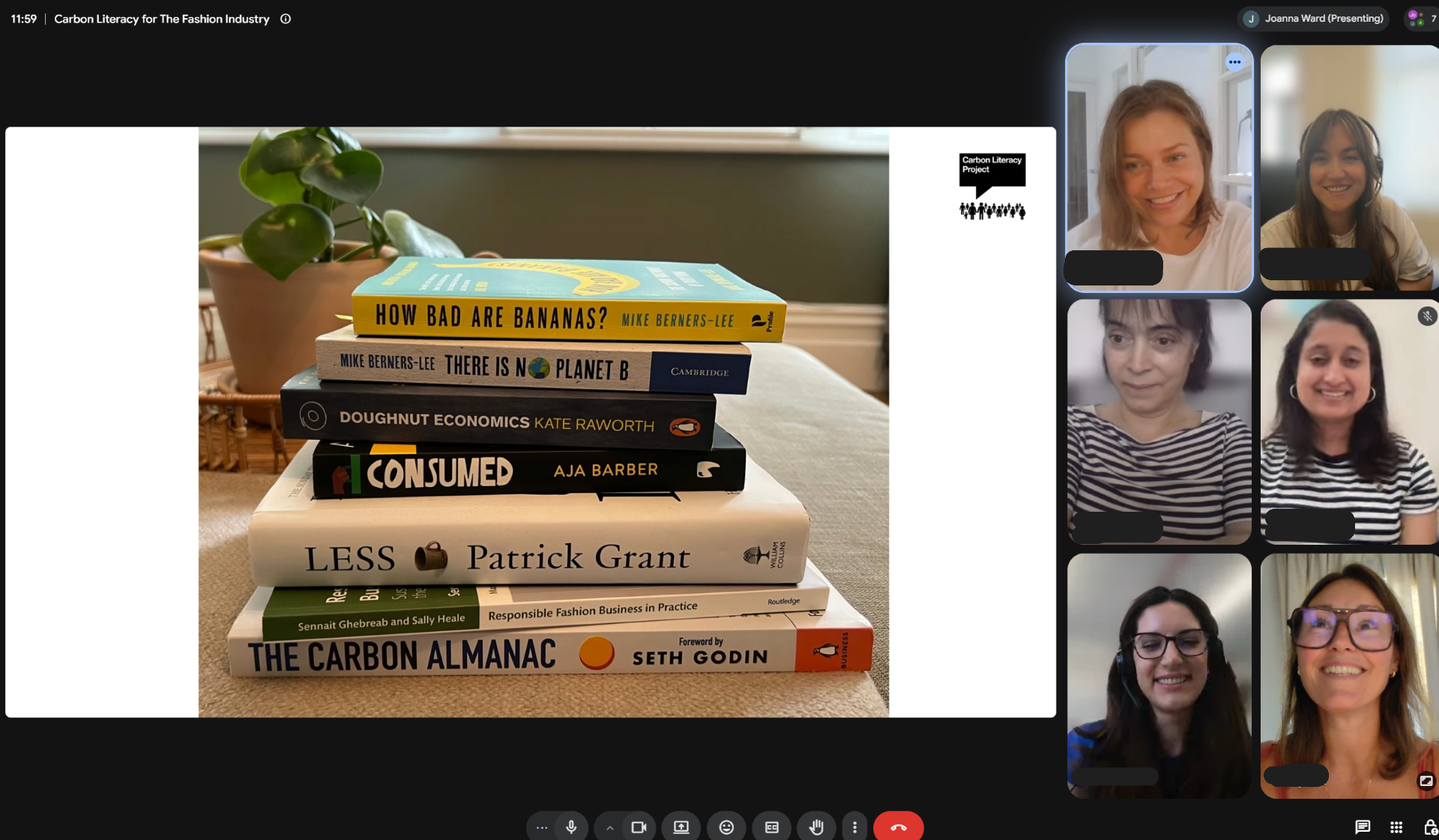
Does Training Add Value to Your Business?
Our Feedback and ROI says absolutely and it’s a lot cheaper than you may think…….
Retail is under more climate pressure than almost any other sector. Fast-moving supply chains, high energy use across stores and warehouses, growing regulatory reporting requirements, and increasingly climate-savvy customers all mean that "we'll deal with this later" is no longer an option if you want to stay relevant. The good news for retailers weighing up whether to invest in training: carbon literacy for your team isn't just good business sense, the cost is also fully offset against your business profits as a legitimate, tax-deductible expense.

Is AI Helping Us Grow, Or Costing Us Our Future Resilience?
Is AI Helping Us Grow, Or Helping Us Fail A Little Faster?
There's no getting away from it. AI is everywhere in business conversations right now, and fashion is no exception. From forecasting to customer service to content creation, it feels like every function is being offered an AI-shaped shortcut. And on the surface, who wouldn't want that? Faster processes, leaner teams, fewer late nights. But is AI actually helping us grow, or is it quietly helping us fail a little faster? And at what cost, is the fact that AI is eating your budget really costing you innovation and succession planning and dare we say it future business resilience!
Europe Family Adventure 2026
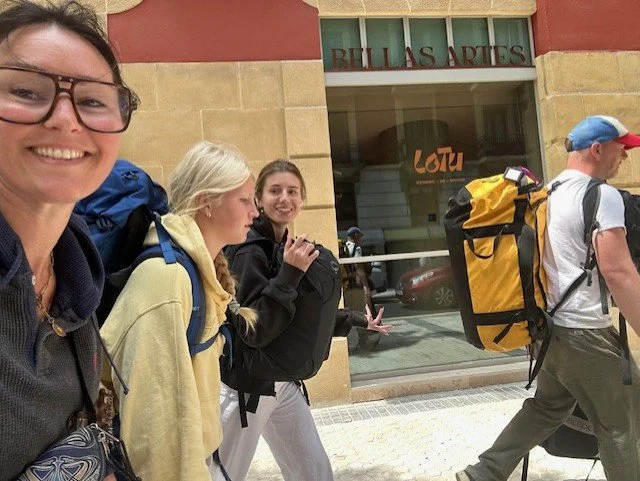
Europe Family Adventure 2026
What We Discovered When We Slowed Down……
Sixteen days. Five countries' worth of scenery, if you count the ones we simply rolled through. One overflowing family group chat full of half-remembered French verbs, ticket screen grabs, pintxos photos, potential recommendations and a 12 page powerpoint itinerary no one looked it ( if I had a £1 for every time I was asked what time is the train and how long is the journey I would definitely be retiring!).

Time
Time- Slipping Through My Fingers
I've had ABBA on repeat in my head for weeks."Slipping through my fingers all the time." If you know it, you know exactly the ache I mean. If you don't: it's a mother watching her daughter walk out the door to school, realising the years went faster than imagined.
I have teenagers. And somewhere in the last year, this song took on a different meaning. I feel time slipping through my fingers, literally, everything seems like a countdown and we are racing through life and i just reached that moment when the realisation hits of why are we flying through the good stuff. So I've become almost compelled to share as much of the world with my kids as I possibly can, as fast as I can, because I am acutely aware that I am running out of time before they go off and build their own lives, their own adventures, but I hope they take with them the values, resilience and some great memories .

Support England in More Ways Than One
Support England in More Ways Than One
It's been quite a fortnight for flag waving. Arthur Fery, the wildcard nobody outside tennis circles had heard of two weeks ago, went from unknown to Wimbledon semi-finalist before Alexander Zverev brought the fairytale to an end in straight sets on Friday afternoon and SW19 still adopted him like he'd been ours for years (turns out he basically has, having lived a mile from the All England Club since he was a month old). Silverstone just had a record breaking crowd. England are giving it everything at a World Cup. We are, collectively, brilliant at getting behind a British team, win or lose.
We like buying British too. "Buy British" does something to us emotionally that no other label quite manages, tea towels, wax jackets, biscuit tins, all of it.
So here's the question nagging at us this week: if we love the flag so much, why don't we love the factory?

Will AI Replace Buyers and Sourcing Teams?
The industry is asking whether AI will take our jobs. It should be asking whether it's already doing them better than we think.
Let's be honest about something.
If you gave an AI system your last three seasons of sales data, your supplier lead times, your margin targets, and your customer returns data it would build you a more accurate buy plan than most teams do manually. Faster. Without the politics.
That's not a threat. That's just true.
F1 is redesigning the race to net zero.Here’s what the sport actually did
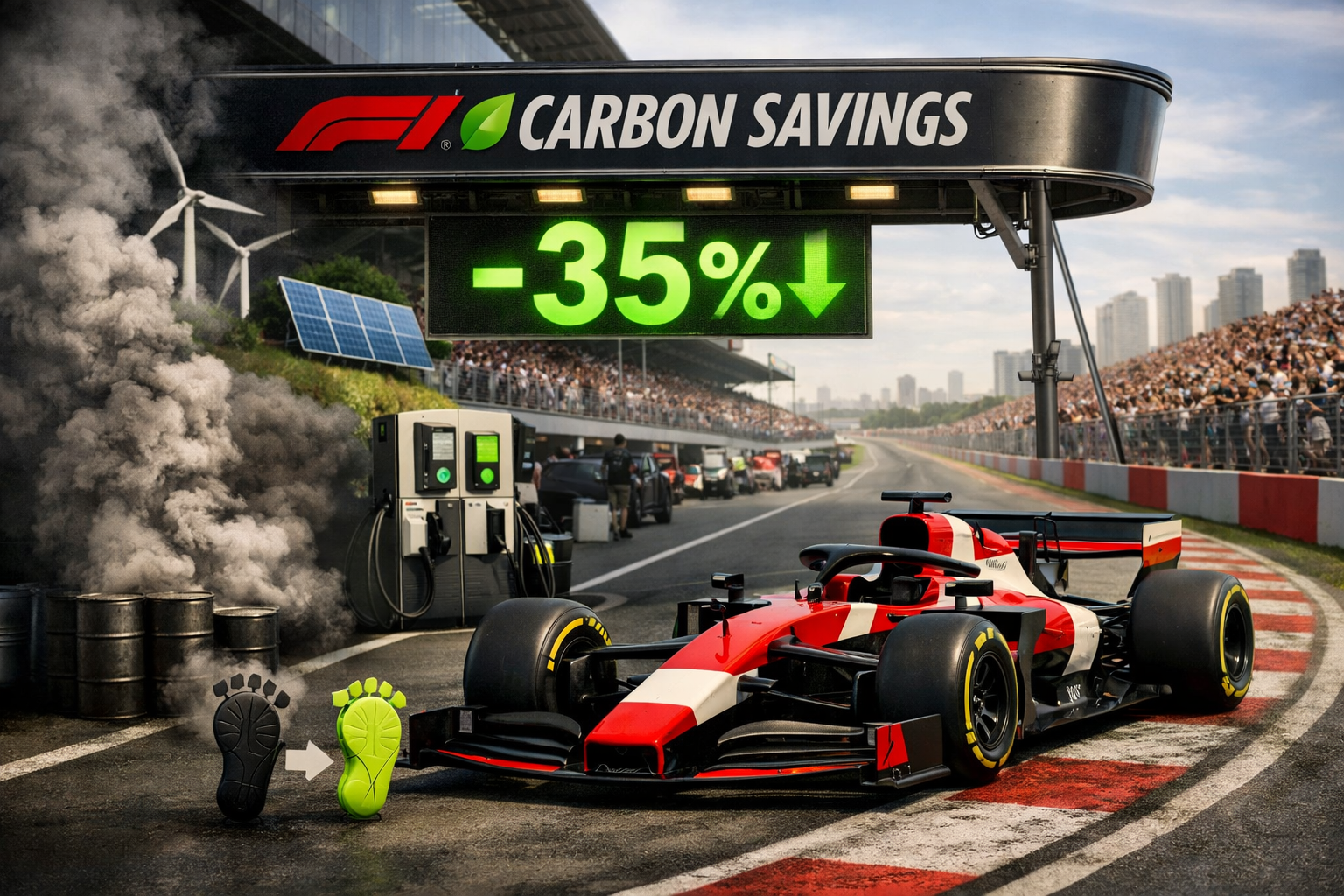
It was a sporting weekend for England. Wimbledon in full swing. The F1 at Silverstone. And an epic win for England in Mexico, Jude Bellingham’s two goals in quick succession and a Harry Kane penalty enough to beat the hosts 3–2 at the Azteca, with ten men, in a match that will be talked about for years. We wanted to take a closer look at the environmental impact of some of these sports and this week, we focused on F1. Because while England were exorcising 40 years of Azteca demons, 564,000 people descended on Silverstone. The biggest crowd in the history of Formula 1, beating a 31-year record set in Adelaide, was treated to Charles Leclerc taking his first ever British Grand Prix win, ahead of George Russell and Lewis Hamilton, in a race that finished under the Safety Car after Max Verstappen beached his car in the gravel with four laps remaining. 175,000 of those tickets were for race day alone. A sport that not long ago was struggling to fill grandstands has become, by every commercial measure, one of the world’s most powerful entertainment properties.

The World Cup 2026: Beautiful Game, Burning Planet
This summer, I watched something genuinely exciting happen in football. Nike unveiled World Cup kits made from 100% recycled textile waste, the first time elite players have competed in kits made entirely from what would otherwise be landfill. Puma and Adidas followed with their own textile to textile recycled fibres. Fans were pointed towards Vinted and eBay for vintage shirts instead of another seasonal drop. For a few weeks, it felt like fashion and football were finally moving in the same direction on sustainability.
The Busy Fool Problem of Overproduction
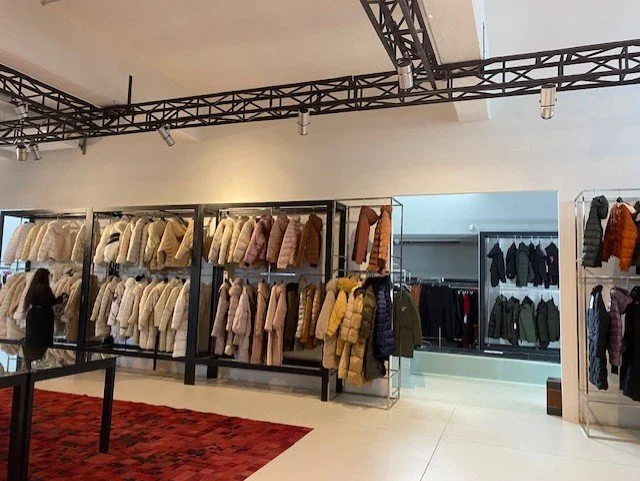
If you paid for 10,000 units, shipped them across the world, stored them for six months, then ‘disposed’ of a third of them would you call that a good business?
No. You'd call it commercial insanity.
And yet, that is, give or take exactly what happens across the fashion industry every single season. The estimates vary conveniently, but somewhere between 20 and 40% of what gets made never finds a customer. It ends up in landfill sites in Chile, burning waste piles in Ghana, or quietly destroyed off the books to protect brand equity.
Busy fool energy. At industrial scale.
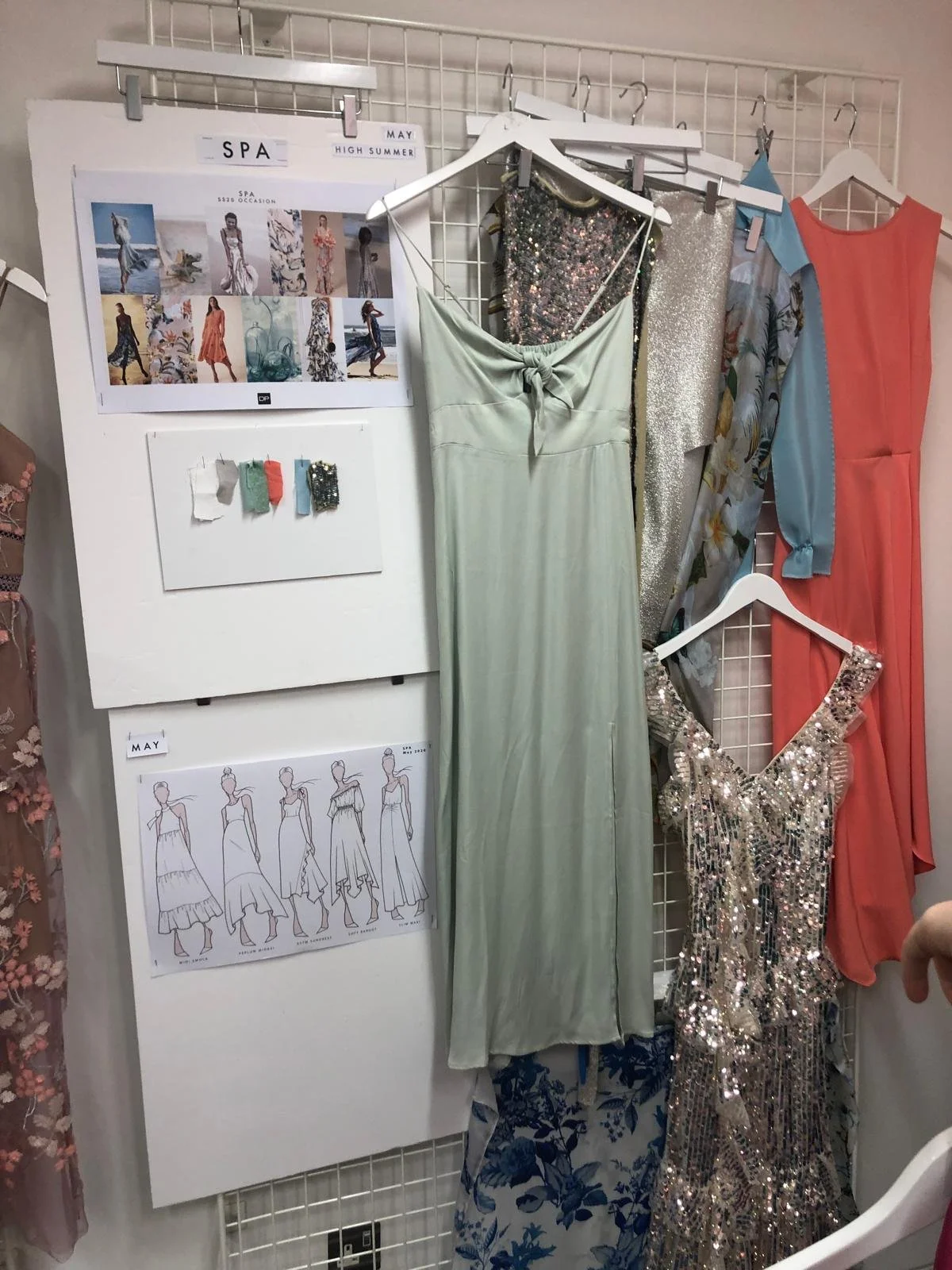
The Range Sign Off Is Missing Someone. It's Been Missing Them for Years.
In the best version of a range sign off meeting, the conversation covers everything………
Colour balance. Price architecture. Volume review. Marketing heroes. Lead time risk. Supplier flags. Regional grading. Compliance status. Store merchandising. All of it.
In the worst version, the sign off attendees look at whether the range looks nice.
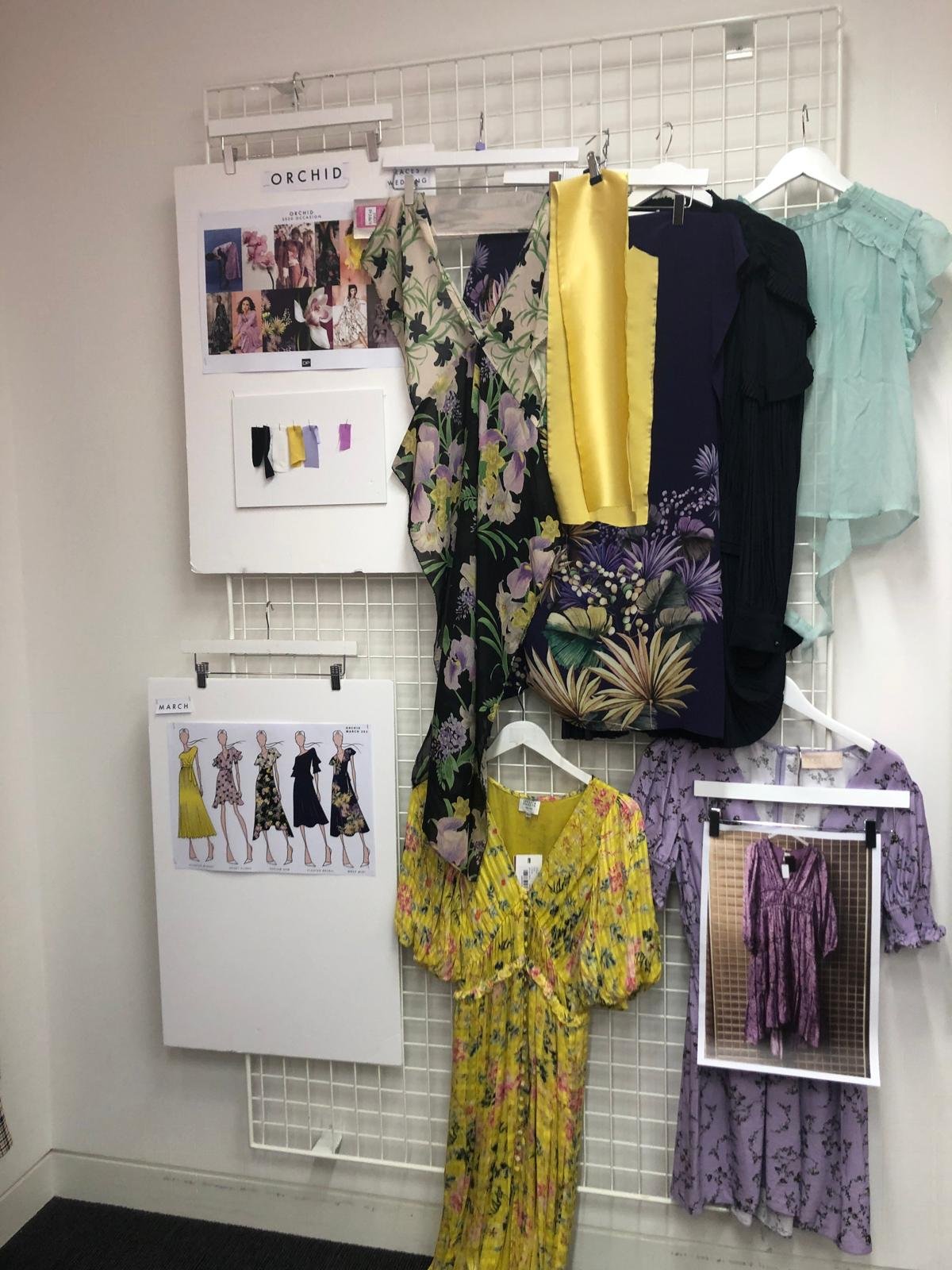
What's Actually Happening When a Range Gets Built?
What's Actually Happening When a Range Gets Built
The range the customer browses on a Tuesday afternoon? It's the result of almost a year of decisions most people never see.
It starts with analytics. Last season's sales, volumes, regional performance, sizing ratios, colour analysis, all of it before a single trend enters the conversation. The best-selling blocks, the proven silhouettes, the fabrications the customer reaches for season after season: these are the foundation. The commercial engine. What the brand is known for.
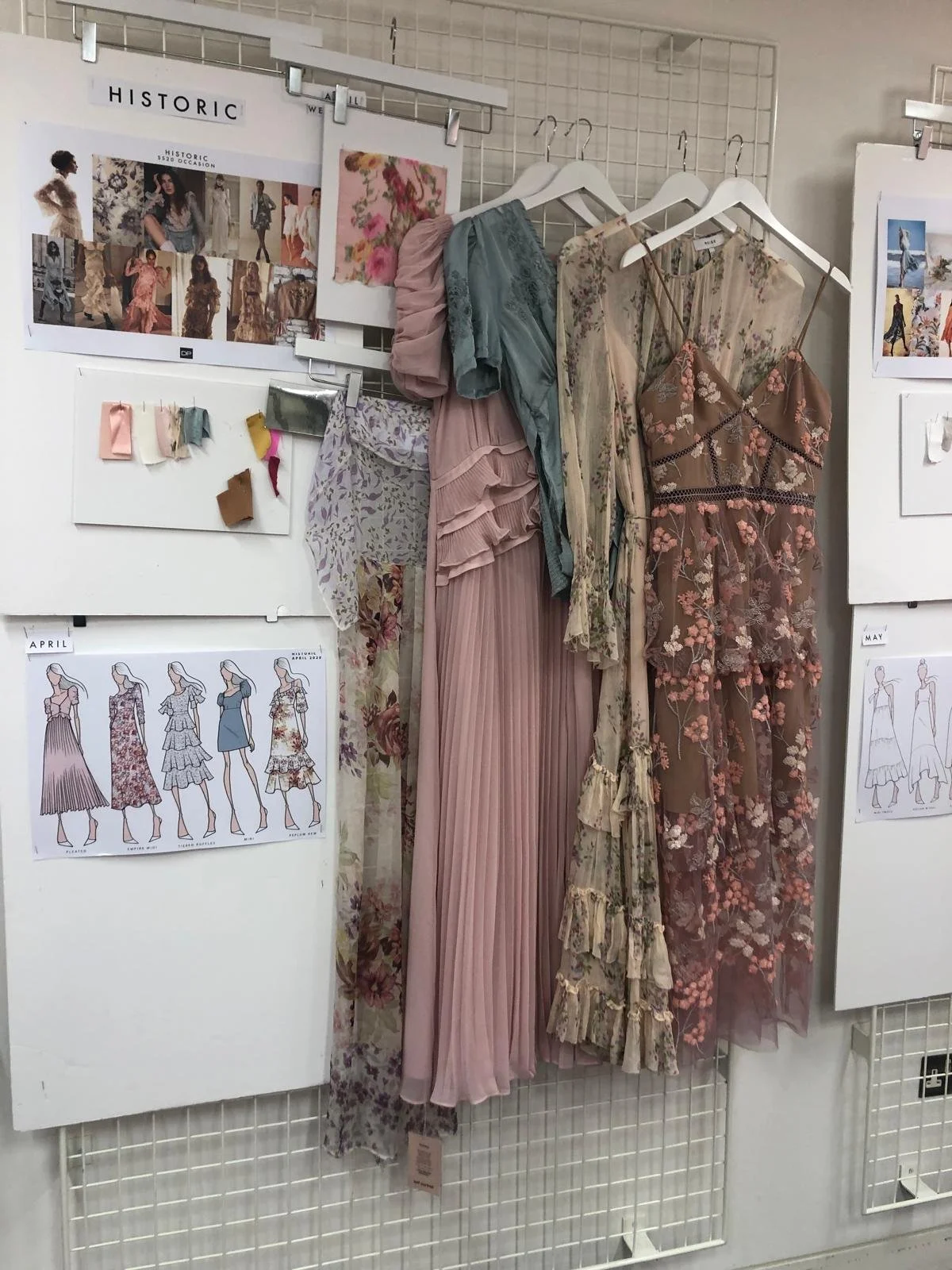
The Buying Team Is Already Drowning…… Then We Hand Them ESG As Well.
There's a version of fashion buying that lives in the public imagination.
A buyer, fabulous outfit, sun-drenched Milan showroom, champagne nearby, pulling pieces off a rail on gut feel. Pure taste. Effortless edit. I wish!
We need to talk about that version. Because it is not what happens despite what my friends and family may have thought over the years!
Sustainability Isn't Costing You….
Sustainability Isn't Costing You — Ignoring It Is. The reports are in. The science is clear. The financial case is no longer ambiguous. So why is fashion still treating sustainability as optional rather than a risk to be managed?
The answer, it turns out, may be simpler than we think: we haven't been counting the right things.
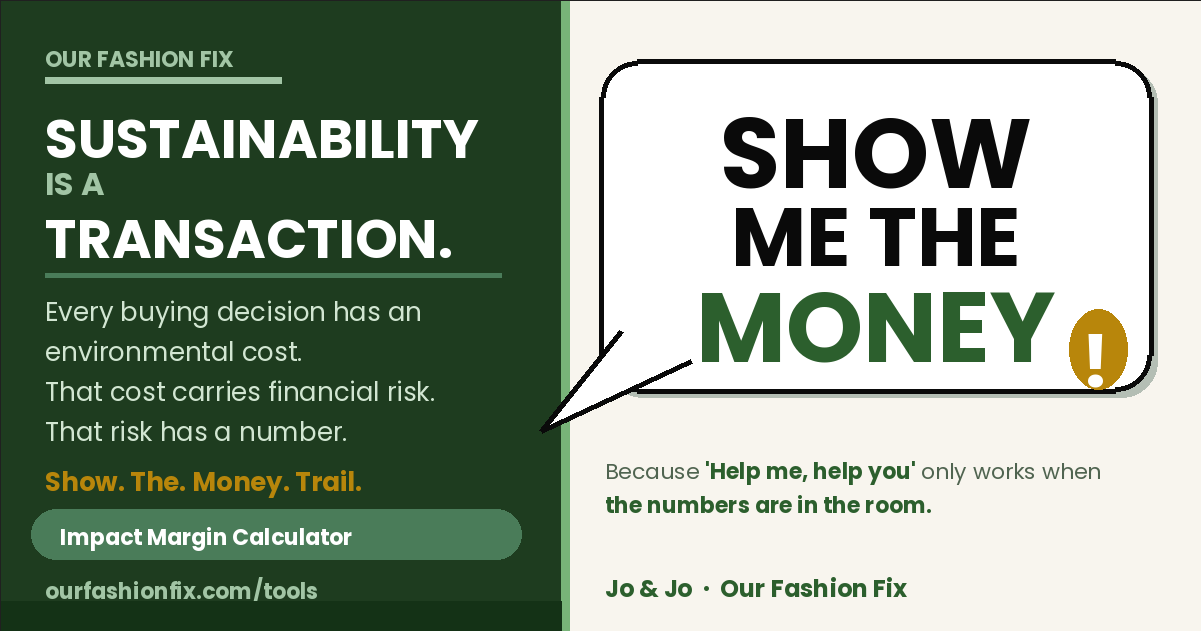
Show Me the Money
Show Me the Money.
Why sustainability in fashion only works when you follow the numbers — and how the Impact Margin Calculator makes that possible.
Bear with us for a second. We're going full on Jerry Maguire.
You know the scene. Cuba Gooding Jr. on the phone, completely losing it:
"SHOW ME THE MONEY!"
Here's the thing - that line might be the most important thing anyone has ever said about sustainability in fashion. Not because it's funny (though the scene is). But because it cuts straight to the problem that nobody in this industry wants to admit out loud.
Sustainability has been failing to land in boardrooms for years - not because the people in those rooms don't care, but because it keeps showing up without the numbers.

International Women’s Day 2026
There is a quiet irony sitting in our wardrobes. As we approach International Women’s Day 2026, we must face a staggering truth: the very industry that defines "the feminine" is one where women still hold only two-thirds of the legal rights that men do globally.
Last year, we talked about "accelerating action," but action without a foundation of justice is just movement in a vacuum. This year, the UN’s focus on “Rights. Justice. Action.” feels deeply personal for the sustainable fashion community. Why? Because you cannot have a sustainable garment if the woman who made it is legally invisible.
Is Your Buying Model Living in the Past?
Is Your Buying Model Living in the Past?
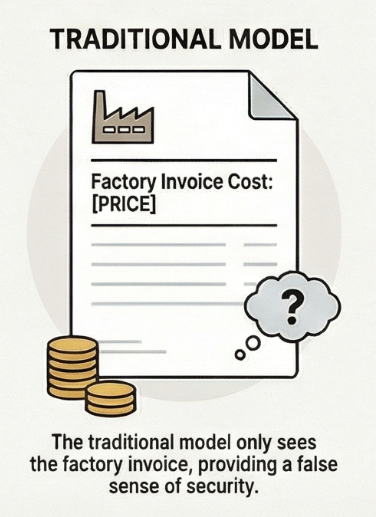
Traditional buying-in margin was designed for a world that no longer exists. Continuing to use it isn't playing it safe. It's taking on risk you just can't see yet.
Cast your mind back to how buying worked a generation ago. You found a factory, negotiated a price, applied your margin, set a retail price, and moved on. The only costs that counted were the ones on the invoice. The only risk was commercial risk. And the only people you needed to satisfy were the finance director and the buying committee.
That world still exists - in the model. The trouble is, the world outside the model has changed completely.
The Pre-Loved Goldmine Hiding in Your Products
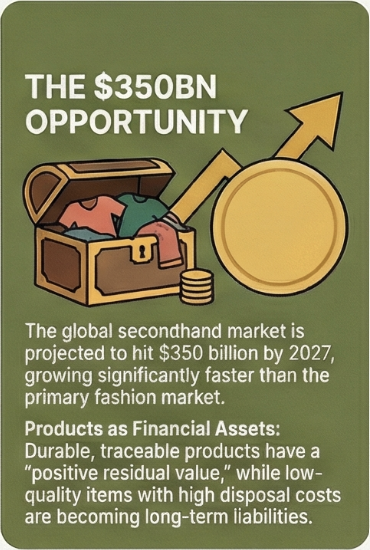
The Pre-Loved Goldmine Hiding in Your Products
The global secondhand market is heading for $350 billion. Most brands have no financial model for the value sitting in their own products after first sale. That's a commercial oversight as much as a sustainability one.
Here's a thought experiment. You design a product. You source it carefully, cost it, and sell it. In the traditional model, that's where the financial story ends - the product leaves the floor and disappears from your spreadsheets.