
What's Actually Happening When a Range Gets Built?
What's Actually Happening When a Range Gets Built?
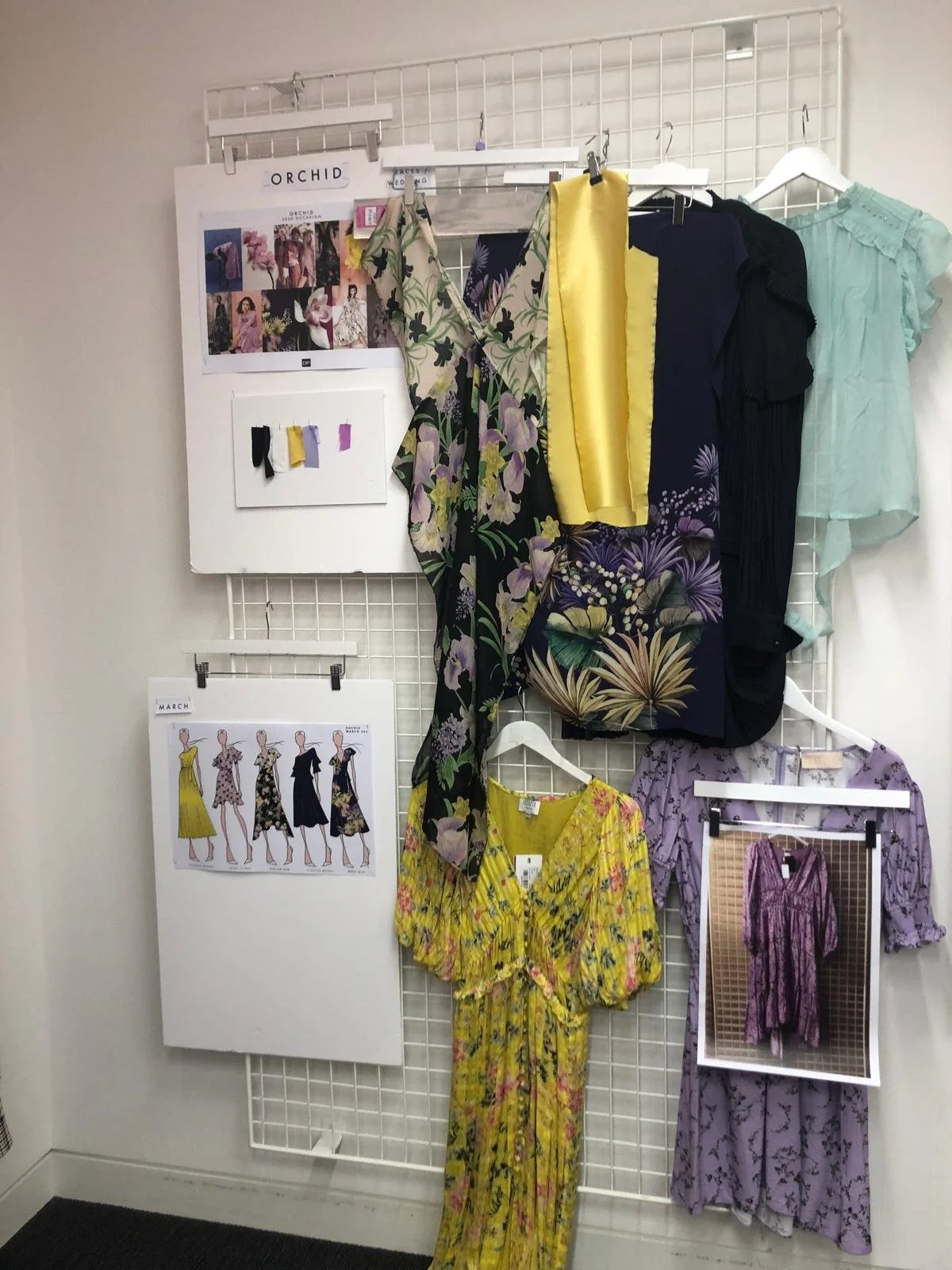
The range the customer browses on a Tuesday afternoon. It's the result of almost a year of decisions most people never see.
It starts with analytics. Last season's sales, volumes, regional performance, sizing ratios, colour analysis, all of it before a single trend enters the conversation. The best-selling blocks, the proven silhouettes, the fabrications the customer reaches for season after season: these are the foundation. The commercial engine. What the brand is known for.
Then comes the brief. The seasonal story, reactions to emerging trends. The colour palette. The price architecture, what earns the entry point, what earns the premium or exit price points. The strategy meeting.
And then the pressure begins. Prints get added because someone loves them. Supplier relationships pull colour decisions. A category creeps in because a competitor ran it. The brief drifts. The colour story loses its coherence. The pressure builds and the buyer keeps the line – keeps the range on track to deliver the strategy goals and KPI’s.
Layer in supplier selection, lead times across fifteen to twenty factories, regional store grading, volume review against the marketing plan, freight decisions with real carbon and cost implications, Geo political unrest, visual merchandising planning, and cost engineering on every single style. And underneath all of it: a tightening regulatory landscape, Digital Product Passports, EUDR, EPR, landing now, not later.
The sign off meeting is where it all comes together. The best version of that meeting covers every dimension: commercial, logistical, creative, compliance, sustainability. Not sequentially. Together.
The ranges that win aren't always the most creative. They're the ones where every decision connects to every other decision. Where the hook item has the volume to support the marketing. Where the margin is protected without losing the quality that earns trust.
It's a system. Imperfect, expensive, frantic, but when it works, the customer sees a story. And thinks someone just chose things they liked- because that what a great buying team does - they make it look simple.
Part 2 of our buying series presenting the ‘why’ Ask Miranda® is needed now more than ever.
Find out more: ourfashionfix.com/tools