
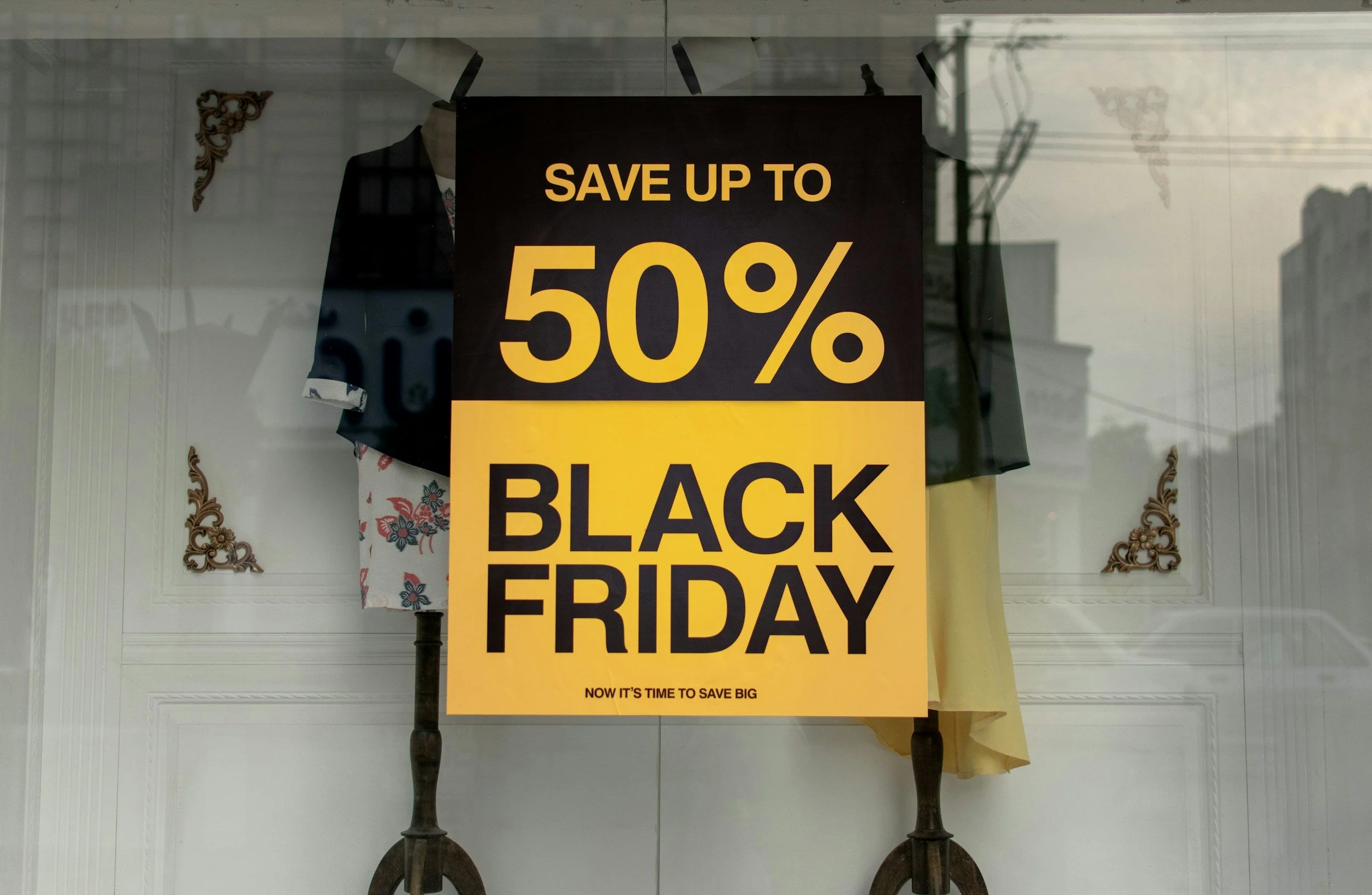
Every November, our inboxes and high streets are flooded with flashing banners, ticking countdown clocks, and the unspoken pressure to buy now or miss out forever. Yet behind the hype, the lustre of Black Friday is beginning fade.
Consumer watchdog Which? has repeatedly exposed the illusion of the mega-sale - finding in one landmark study that 99.5% of Black Friday "deals" were the same price or cheaper at other times of the year, and confirming in its 2026 investigation that four in five discounts still fail to hit their lowest annual price. Meanwhile, the environmental and financial impact is hard to ignore; retail data shows that roughly one in five Black Friday bargains ends up being sent straight back, creating a logistical and landfill headache come January.
In response, a growing wave of independent retailers and purpose-driven brands are tearing up the Black Friday playbook. In the UK alone, 35% of small businesses (nearly two million businesses) have chosen to sit out the sales frenzy altogether this year, refusing to slash their margins or fuel overconsumption. Instead, they are rewriting the rules of retail.
Instead of slashing prices, these brands are rewriting what Black Friday can look like:
Trading Checkouts for Community Care
Skincare powerhouse The Ordinary (alongside parent company Deciem) has long rejected panic-buying, moving its annual discount away from November entirely. On Black Friday itself, the brand closes its website, pauses payments, and shutters its standalone shops - transforming flagship spaces in New York and Toronto into blood donation centres, while inviting visitors in London and Copenhagen to drop in for free blood-type testing. It is a bold reminder that a retail footprint can serve a community without ringing a till.
Repair, Swap, and Re-Wear
If the most sustainable garment is the one already in your wardrobe, several fashion labels are putting circularity front and centre:
Veja: The French footwear favourite has turned the sales weekend into Repair Friday, opening up its in-store cobbler stations so shoppers can drop off worn trainers, from any brand, for complimentary cleaning and repairs.
ASKET: Taking a similar stance, the traceable mens and womenswear label hangs up a "Closed for Business – Open for Repairs" sign, halting sales to offer free garment mending and spare parts.
FREITAG: The Swiss recycled-bag pioneer shuts down its online shop on Black Friday and redirects visitors straight to S.W.A.P. (Shopping Without Any Payment), its peer-to-peer bag-exchange platform, as well as offering free repairs for the day.
Championing "Cost Per Wear" Over FOMO
Even among brands acknowledging the weekend, the tone is shifting from frantic impulse-buying to mindful investment. British womenswear label Odd Muse has centered its campaign around cost per wear - encouraging shoppers to calculate how many times they will genuinely wear a tailored piece over the years, rather than chasing a fleeting bargain. Similarly, UK homeware brand Cox & Cox has embraced a "Considered Black Friday", giving its community early breathing room to measure up, think things through, and buy without unnecessary urgency.
Boycotting the Frenzy for #CitizenFriday
Across the independent sector, grassroots movements are urging shoppers to vote with their wallets. Sustainable menswear brand Neem London and fellow ethical independents have joined calls to boycott traditional Black Friday overconsumption in favour of #CitizenFriday - a movement reframing shoppers as active citizens who support transparent supply chains, fair wages, and local makers rather than mass-produced landfill. Neem London dedicates the entire month to slow November - a deliberate push back against flash sales and manufactured urgency. Built around the simple philosophy “ buy less, choose better and wear for longer”
Stepping Outside the Noise
Elsewhere, outdoor giant REI continues its decade-long tradition of closing every store and distribution centre so staff and customers alike can #OptOutside in nature, while B-Corp basics label Kotn channels its Black Friday weekend proceeds directly into building schools rather than slashing prices. Fashion retailers’ Pangaia message is “Everything Must Grow” - they’re removing every product from the website on black friday and encouraging consumers to make a donation to plant trees, through its partnership with Ecodrive.
Ultimately, skipping Black Friday isn't just an ethical stand - it's a quiet rebellion against the idea that value only exists when a price tag is crossed out in red.
Have you seen other interesting examples of brands and retailers doing things differently this Black Friday? Let us know in the comments or tag Our Fashion Fix to share your favourites!